Design Engineering, Reverse Engineering and DFM Optimisation
3D simulation, advanced error detection and intelligent nesting to maximise material yield before production begins.
"The golden rule of structural sheet metal work: maximise bending, minimise welding."
Intelligent design: closing the gap between concept and cost-effective production
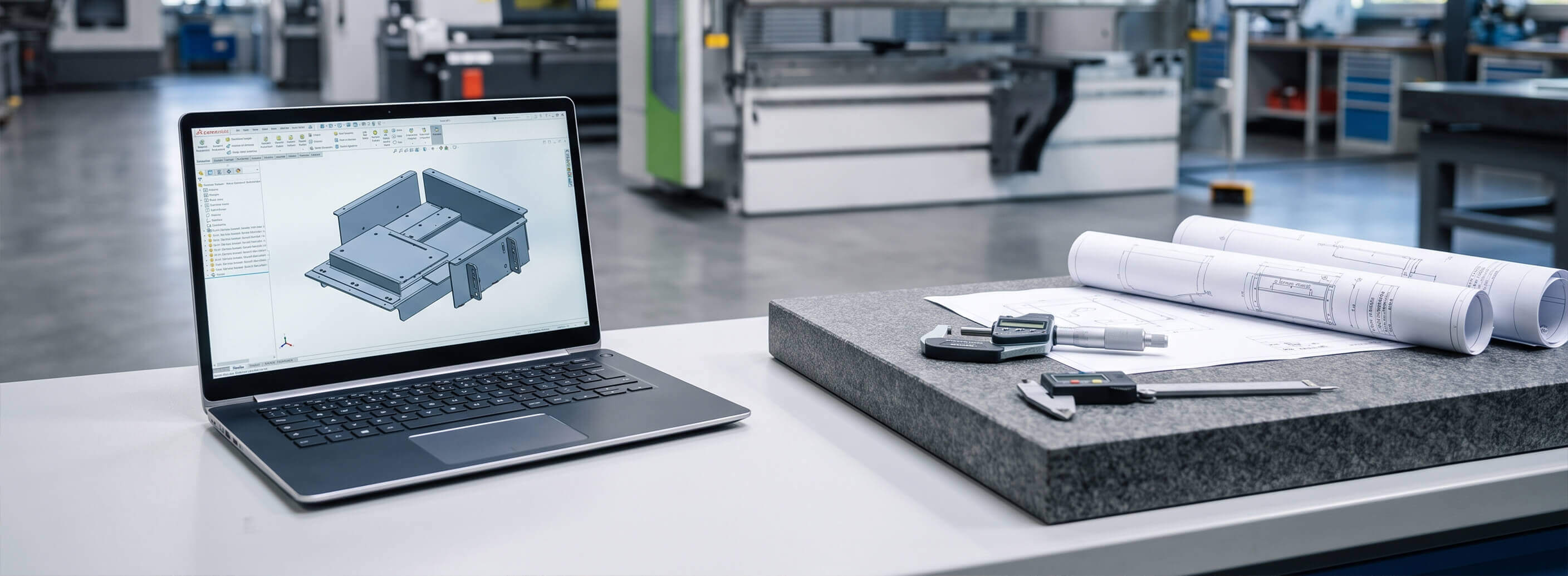
Spike's engineering department uses advanced CAD/CAM software including SolidWorks, Catia, AutoCAD and CorelDraw to deliver accurate 3D modelling, reverse engineering and sheet metal optimisation. We recognise that not every customer is expected to be an expert in metal fabrication constraints. Working within the BySoft software ecosystem from Switzerland, our engineers convert 3D CAD files into optimised CNC code and push the data straight to the fiber laser and press brake through a central server. This automated transfer removes manual setup errors on the shop floor entirely.
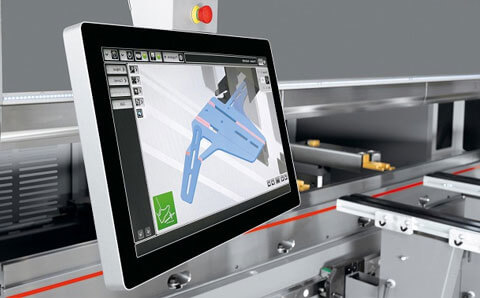
Integrated with the Bystronic press brake tooling database, BySoft automatically calculates accurate flat patterns from sheet thickness, tensile strength and the exact bend radius.
Our software runs advanced nesting algorithms to pack parts tightly onto standard sheet sizes, minimising offcut and optimising material yield with tracking across 5 degrees of freedom.
Turning raw drawings into clean cutting files involves detailed path optimisation. The software configures lead-ins, micro-joints and cutting sequences.
Individual sub-assemblies are fully inspected in a virtual 3D assembly environment before production. We check hole alignment, movement clearances and interference radii.
The golden rule of DFM: bend before you weld
There is a golden rule in modern DFM: maximise bending and minimise welding. Arc welding remains an essential joining method, but an experienced designer replaces complex welded joints with intelligent multi-bend profiles, integral stiffeners or interlocking tabs. This reduces fixturing cost, removes the need for post-weld dressing, and substantially increases structural strength.
Related
For standard production tolerances, material limits and design-for-manufacture rules, see the sheet metal design guide (DFM). The full archive of production-ready designs is available in laser cut patterns.